Support tamariki in Years 0–3 with these 9 simple reo Māori phrases for pānui (reading). This quick, practical list is designed for parents and kaiako to use during everyday reading time at home or in the classroom.

Support tamariki in Years 0–3 with these 9 simple reo Māori phrases for pānui (reading). This quick, practical list is designed for parents and kaiako to use during everyday reading time at home or in the classroom.
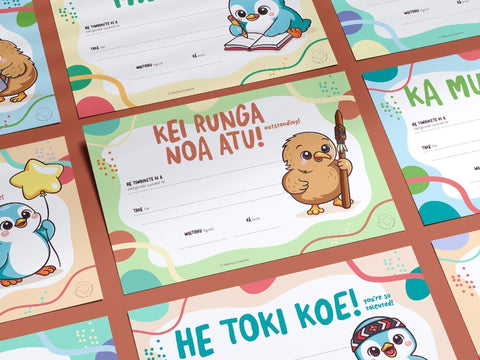
When tamariki see their achievements recognised in te reo Māori, it reinforces that their language and identity belong wherever they learn and grow. When we couldn’t find certificates that felt quite right, we created our own. Designed to feel at home in Aotearoa and meaningful for tamariki.

Many people want to engage respectfully with pepeha and mihimihi, but aren’t always sure how. Can non-Māori/tauiwi and pākehā have a pepeha? What’s the difference between pepeha and mihimihi? This article shares whakaaro from Māori practitioners to help learners understand what these practices are for, how they’ve evolved, and how to move forward with confidence and respect.
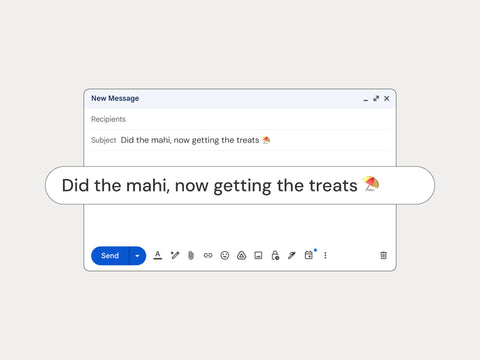
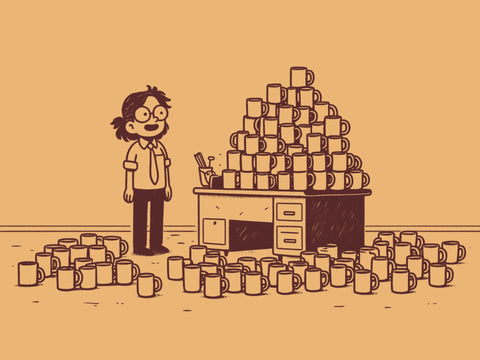
When the year’s been a marathon and your mahi inbox has been working overtime, nothing feels better than switching on that out-of-office response and disappearing for a little break to enjoy some Aotearoa sun and quality time with whānau and friends. But why settle for a boring generic auto-response when you could sign off with a bit of humour, reo, and personality? Here are a few fun, cheeky, and reo Māori-inspired OOO templates to let people know you’ve clocked out for hararei. Adjust them to suit your role, mahi, tone, and personality.
Support tamariki in Years 0–3 with these 9 simple reo Māori phrases for tuhituhi (writing). This quick, practical list is designed for parents and kaiako to use during everyday writing at home or in the classroom.
Support tamariki in Years 0–3 with these 9 simple reo Māori phrases for pāngarau (maths). This quick, practical list is designed for parents and kaiako to use during everyday maths at home or in the classroom.