Support tamariki in Years 0–3 with these 9 simple reo Māori phrases for pānui (reading). This quick, practical list is designed for parents and kaiako to use during everyday reading time at home or in the classroom.

Support tamariki in Years 0–3 with these 9 simple reo Māori phrases for pānui (reading). This quick, practical list is designed for parents and kaiako to use during everyday reading time at home or in the classroom.

Many people want to engage respectfully with pepeha and mihimihi, but aren’t always sure how. Can non-Māori/tauiwi and pākehā have a pepeha? What’s the difference between pepeha and mihimihi? This article shares whakaaro from Māori practitioners to help learners understand what these practices are for, how they’ve evolved, and how to move forward with confidence and respect.

Aroha opens up about the unseen support and privileges that shaped her reo Māori journey. Her story is a reminder that every learner starts from a different place, and that progress never looks the same for everyone.
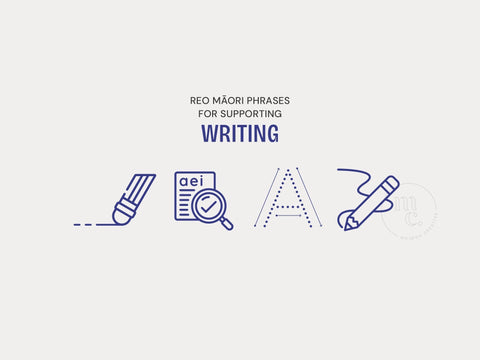
Support tamariki in Years 0–3 with these 9 simple reo Māori phrases for tuhituhi (writing). This quick, practical list is designed for parents and kaiako to use during everyday writing at home or in the classroom.
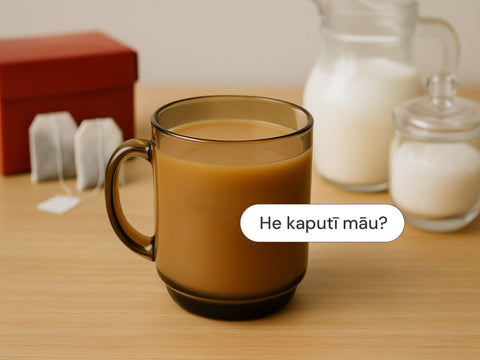
This step-by-step guide shows you how to take a tea order in te reo Māori, from asking if someone would like a tea, to choosing the type, and even how much milk or sugar they’d like. These everyday conversations are a simple way to normalise te reo in your home and workplace.
Next time you’re on tea duty, try integrating these phrases with your whānau or workmates. It’s a fun and useful way to learn and keep te reo Māori alive in the everyday moments. Plus, don’t miss our Tea Types: Personali-tī Guide for a light-hearted look at what your favourite brew says about you.
Tired of signing off every email with the same old “Ngā mihi”? We’ve put together a playful list of quirky, cheeky, and reo Māori-inspired ways to end your emails that add personality (and a laugh) to your inbox. These creative alternatives are perfect for your mates, work besties, or anyone who appreciates a bit of humour.
These aren’t your typical corporate sign-offs, and that’s the point. They bring light-hearted energy and a splash of te reo Māori to your everyday correspondence.
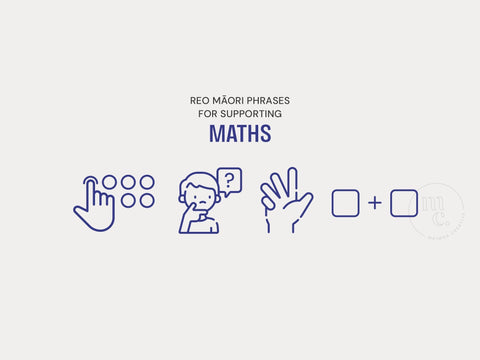
Support tamariki in Years 0–3 with these 9 simple reo Māori phrases for pāngarau (maths). This quick, practical list is designed for parents and kaiako to use during everyday maths at home or in the classroom.

Practical advice, tips and strategies for navigating full immersion in te reo Māori. This article provides insights into managing emotional highs and lows and building confidence in speaking, tailored for beginners aiming for meaningful progress in their reo language journey.